
PLAYING LEVELS
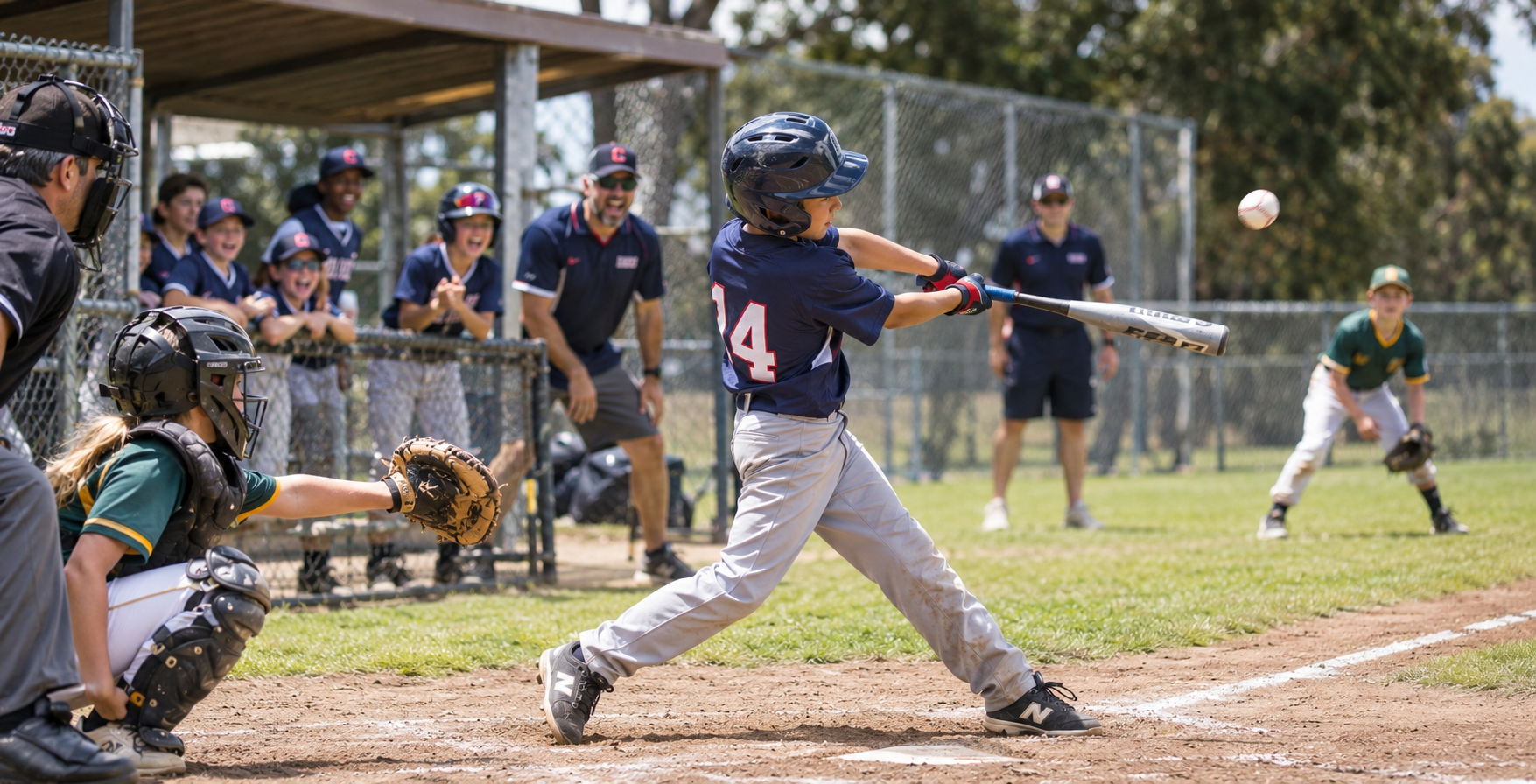
LITTLE LEAGUE
Bigger plays. New challenges. A whole lot of baseball.
From learning to pitch to turning double plays, Little League is where young ballplayers develop their skills, build confidence and discover even more to love about the game.
What is Little League?
Little League is the next stage of junior baseball, where players begin taking on more of the game themselves.
Unlike Rookie Ball, where a coach pitches to the batter, Little League introduces player pitching. Kids develop their batting, fielding and base-running skills while learning more about strategy, teamwork and the rules of baseball.
In Canberra, Little League is divided into two competitions: Minor League for ages 9–10 and Major League for ages 11–12, based on a player's league age.
Both levels provide opportunities to learn, improve and enjoy playing as part of a team — whether your child has been playing for years or is picking up a glove for the first time.
Little League at a Glance
Age Group
Ages 9–12
Minor League for league ages 9–10 and Major League for ages 11–12.
Pitching
Player Pitch
Players pitch to batters, with additional coach-pitch support in Minor League.
Game Format
5–6 Innings
Minor: up to 80 minutes. Major: up to 120 minutes.
The Focus
Growing Skills
Pitching, batting, fielding, game awareness and teamwork.
Minor or Major — What's the Difference?
Both competitions use player pitching, but there are important differences in age, game duration and how pitching is managed.
| The Basics | Minor League | Major League |
|---|---|---|
| League Age | 9–10 years | 11–12 years |
| Pitching | Player pitch with coach-pitch support | Player pitch |
| Game Length | 5 innings or 80 minutes | 6 innings or 120 minutes |
| Pitching Distance | 42 ft / 12.80 m | 46 ft / 14.02 m |
| Base Paths | 60 ft / 18.28 m | 60 ft / 18.28 m |
| Run Limit | 5 per half-inning | 5 per half-inning |
| Pitch Limit | Up to 75, subject to age and rest rules | Up to 85, subject to age and rest rules |
Got Questions? We’ve Got Answers
-
Absolutely! Children can start playing baseball at Little League age without having played T-Ball or Rookie Ball. They may have a little more to learn initially, but coaches will help them develop their skills.
-
Minor League is generally for league ages 9–10, while Major is for 11–12. Both use player pitching, but Minor includes extra coach-pitch support and shorter games. Placement follows Baseball Canberra's age requirements and any approved exceptions.
-
Little League Minor and Major have participation requirements. Minor may use a rotating batting line-up, while Major requires a continuous batting order including all players on the team sheet.
-
Your child will need a full baseball uniform, a glove and suitable footwear (at minimum, soccer boots or baseball cleats).
Clubs generally issue playing jerseys and may have second-hand baseball pants available to borrow or purchase. Uniform requirements vary between clubs, so items such as pants, belts, socks and caps will depend on your team.
The good news? You don't need to buy everything! Clubs normally have bats, batting helmets and catcher's equipment available for players to use.
For more details, including glove and bat sizing, check out our Junior Baseball Equipment Guide.
-
Little League Minor has development-focused pitching opportunities, and Baseball Canberra's local rules require eligible Minor players to receive pitching assignments during the season, subject to specified exceptions. Pitching is managed with safety limits and rest requirements.
-
Junior baseball relies on volunteers. Depending on the team, you might help with scoring, managing, setting up the field or supporting the coaches. You don't need to know everything about baseball to get involved.scription
ADVICE FROM BASBEALL PARENTS
Tips from the Dugout
A few things worth knowing as your ballplayer takes the next step.
Be patient with pitching
Pitching is a whole new skill, and it takes time. There will be walks, wild pitches and plenty of missed targets. Every pitch is a chance to learn.
Learn the basics together
Little League introduces more rules and strategy. Understanding strikes, balls, outs and base running will make game days much more enjoyable for everyone.
Keep an eye on the pitch count
Pitch counts and mandatory rest periods are important for protecting young arms. Coaches and scorers track these throughout the game.
Celebrate more than the scoreboard
A great catch, a confident swing or a player encouraging a teammate can mean just as much as winning.
Give scoring a go
Little League is a great time to learn baseball scoring. It's easier than it looks once you get started, and every team appreciates an extra pair of hands.
Our Dugout Tip: Don't feel you need to understand every rule before your child's first game. You'll pick up plenty along the way — and there's usually another baseball parent happy to help.
YOUR NEXT INNINGS STARTS HERE
Ready for Little League?
Whether they're stepping up from Rookie Ball or playing baseball for the first time, there's a place for your young ballplayer in Canberra's baseball community.